Positive psychology
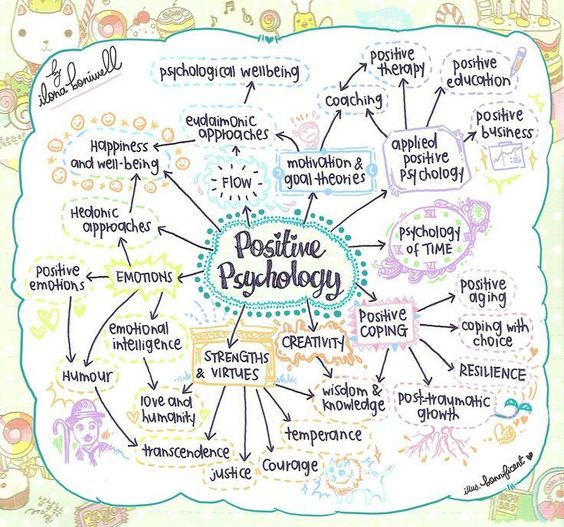
Learned by Yale University course , this course was just phenomenal. Professor Laurie has explained this course so beautifully, The Happiness Lab is a podcast done by her.
A quick statistic, we prescribe antidepressants at 400 times the rate that we did 20 years ago, 400 times the rate than 20 years ago.
Dr. Laurie Santos hosted a Facebook Live Q&A to help us all find ways to cope and process. The video covers the following topics:
- Reducing tension in a relationship while sheltering in place (1:11)
- Consuming news without increasing anxiety (3:24)
- Supporting healthcare workers and helping them prioritize self-care (5:19)
- Remaining positive when living alone (8:51)
- Staying focused and productive at work (10:36)
- Finding your next career or job if you’ve been laid off (12:47)
- Helping children who are struggling without their usual routine or friends (15:00)
- Creating positive experiences while in lock-down (18:26)
- Sleeping better, despite increased anxiety and stress (20:48)
- Coping if loved ones test positive for COVID-19 (23:57)
- Spreading kindness or making social connections while isolated (26:32)
G.i Joe fallacy:
“Knowing is half the battle”, we all have heard this statement before. But the truth is Merely knowing something is not enough to put into practice.
For example: you know sleeping late is not good for your health, yet you still sleep late.
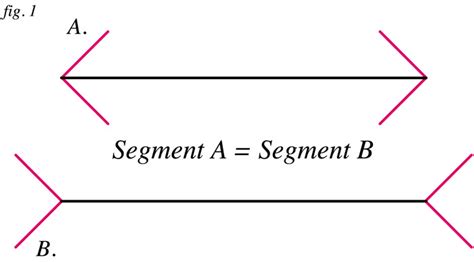
Two real life examples are
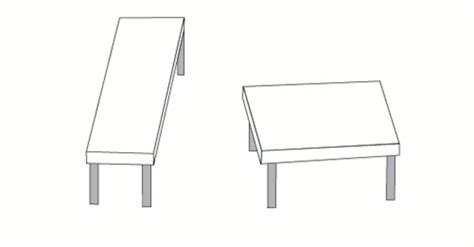
Both the tables are of equal length and breadth
A video to understand positive psychology, https://www.ted.com/talks/martin_seligman_on_the_state_of_psychology
Things we think will make us happy*
1. A good job, Now Gilbert et al. conducted an experiment to see job offer acceptance and drop.Gilbert et al. (1998). Immune neglect: A source of durability bias in effective forecasting.
2. A lot of money for recent grads, [http://What recent grads care the most about.](http://What recent grads care the most about.)
A research done by Kahneman & Deaton (2010) displayed that after $75000/year our emotional well being does not significantly increase with our salary, but we still think that our emotional well being value will be increasing after $75000/year. High income improves evaluation of life but not emotional well-being.
3. Awesome stuff: like shopping clothes or drinks or materialist objects. Nickerson et al. (2003) wrote a research paper on, Zeroing on the Dark Side of the American Dream: A Closer Look at the Negative Consequences of the Goal for Financial Success.
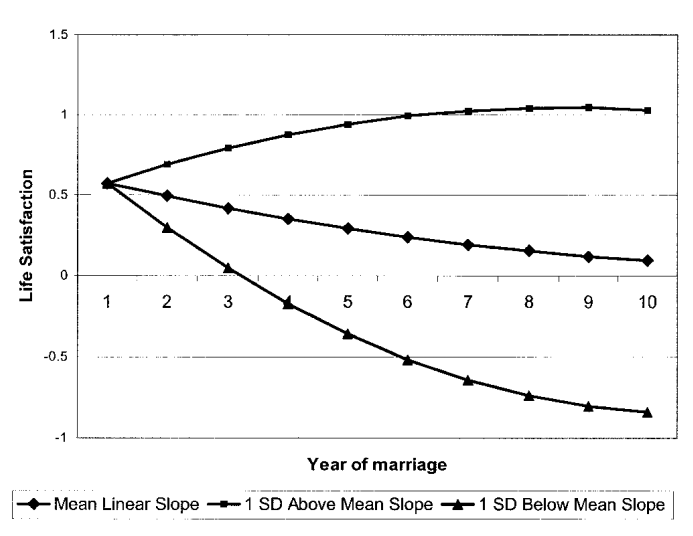
3.1.True love: Well research shows, that we adapt to marriage after a few years and our gradual increase in happiness returns to baseline. Lucas et al. (2003), Reexamining Adaptation and the Set Point Model of Happiness: Reactions to Changes in Marital Status.
3.2. Perfect Body: weight loss may not make you feel any happier, Jackson et al. (2014), Psychological changes following weight loss in overweight and obese adults: A prospective cohort study.
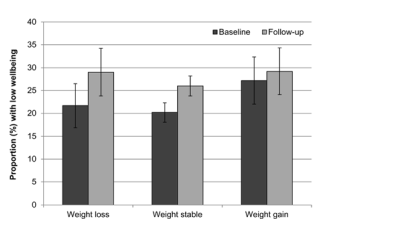
3.3. Good grades :perfect grades will make you happier, not as much as we think.

Why aren’t these making people happy ?
Research done by Lyubomirsky (2007) in (The How of Happiness: A New Approach to Getting the Life You Want)
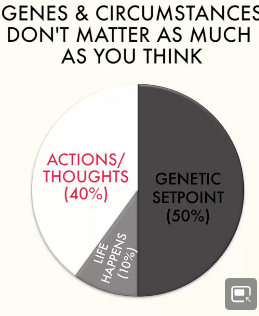
But most of the goals we think are going to make us happy, don’t actually make us happy. So we have to kind of pick the right goals,
When your mind delivers to you an intuition like, I’m going to feel really sad if I get a bad grade, that that intuition is informatively correct. But the fact is, that the mind all the time is delivering to us these intuitions about what’s going to make us happy, what’s correct, what line is longer, what table is longer
Annoying Features of the Brain:
Miswanting. The definition of this is just, this act of being mistaken about what and how much you’re going to like these things in the future. This is the problem, is that our brains deliver to us this idea that we want certain things, but we are wrong about it. We are constantly miswanting,
1 st feature :
Our minds’ strongest intuitions are often not the ones we expect. We sometimes get things totally wrong. Our intuitions are just false. And we can see that in the context of vision, vision somehow gives us a nice set of intuitions into our biases. As we saw in the above illusions.
Gilbert & Wilson (2000). ”Miswanting: Some problems in the forecasting of future effective states.”
2 ND feature :
We just don’t think in terms of the true thing that’s out there. Instead, we think in these very relative terms. And we’re constantly judging relative to what I’m going to call a reference point.
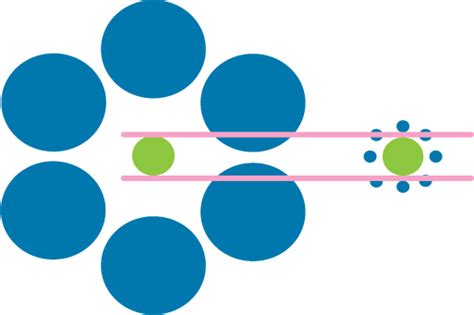
Ebbinghaus illusion
So now we can take reference point in two ways, either take reference of our past self or take reference of another human being.
- Clark and Oswald (1996). Satisfaction and comparison income.This paper tells us reference points mess up good salaries – if your coworkers make more money than you do, then you will be less satisfied with your job
- Medvec et al. (1995). When less is more: Counterfactual thinking and satisfaction among Olympic medalists..This paper tells us due to the power of salient reference points, bronze winners tend to be happier than silver medal winners
- Kuhn et al. (2011). The effects of lottery prizes on winners and their neighbors: Evidence from the Dutch Postcode Lottery. This paper tells us social comparisons influence our spending – people that live next door to lottery winners are more likely to buy a new car
- Burleigh and Meegan (2013). Keeping Up with the Joneses affects perceptions of distributive justice. This paper tells us social comparisons mess up good grades – students would rather miss out on a potential grade increase just so that others in the class don’t get an increase, too
- Vogel et al. (2014). Social comparison, social media, and self-esteem. This paper tells us use of social media makes us compare ourselves to others which lowers our self-esteem – even a manipulated facebook feed featuring people that are worse off than we are does not lead to much higher self-esteem ratings
Now our mind does not refer to logical reference point, but it tends to refer to an exceptional reference point, which is totally not feasible.
3 Rd feature:
That’s the fact that our minds are built to get used to stuff. We just have these minds that adapt over time and habituate. Again, since we think in terms of vision, we can see this really well in a situation of Perceptual Adaptation.
- Di Tella et al. (2010). Happiness adaptation to income and to status in an individual panel. This paper tells us that we adapt to earning more money (although we don’t adapt to increases in social status as quickly)
This phenomena of Hedonic Adaptation. This is this process of becoming accustomed to both positive stuff and negative stuff, such that the effects you get from that emotionally don’t work as well over time. This is the thing that makes a lot of the awesome stuff we see not as awesome.
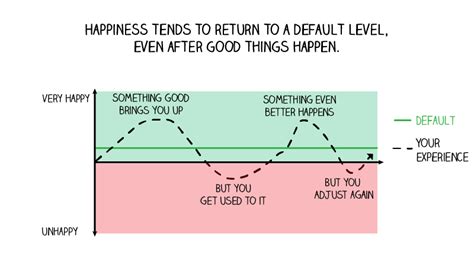
Psychologist, Dan Gilbert, with his fantastic book called Stumbling Into Happiness, where he notes that wonderful things are especially wonderful the first time they happen. But they’re wonderful and this wanes with repetition. But the subsequent moments, you just get used to them.
Dan Gilbert’s TED Talk – The surprising science of happiness
4 Th feature:
The impact bias, and this is the idea that we tend to overestimate the emotional impact of things in two ways, both in terms of their intensity and in terms of their duration. We think they’re going to be better than they’re going to be at the moment we get it and we think that it’s going to last longer than it really does.
We predict it’s going to be awesome. It’s not as awesome as we expect, but we have way more of an impact bias for negative things.But you’re really under predicting how happy you’re going to be when you’re denied.
Levine et al. (2012). Accuracy and artifact: Reexamining the intensity bias in effective forecasting. This paper tells us we overestimate our emotions and getting bad grades won’t make us feel as bad as we think they will – we adapt to bad events, too
Maybe if we had more experience with horrible things happening to us, we would be like, “You know, horrible things happen to me. They ain’t so bad.” Blooper, We don’t get better at impact bias as we get more experience with it.
Dan Gilbert and colleagues who came up with these like fantastic psychological biases that he talks about and these are pretty profound and they’re ones that you can actually work on to get rid of these biases.
1.The first of these is what he calls focalism. And this is the idea that we think about our predictions about an event. We tend to think about just one thing about those events, forgetting everything else that could happen in our lives right. When you focus on the one thing, you miss-predict. So when you’re predicting about your own happiness levels, like if you get a job or you do something, think not just about that moment but think about the stuff surrounding it.
2.We’re actually a lot more resilient than we like to think sometimes. So the fact of the matter is we actually don’t like when sucky things happen to us. Our minds don’t like to feel really awful and we have lots of mechanisms for feeling better when we feel really awful. And so this is the bias I worry about most because it means you’re miss-predicting your own potential in these ways.
- Ayton et al. (2007). Effective forecasting: Why can’t people predict their emotions?. This paper tells us effective forecasts (predicting our emotional response given a certain outcome) are too extreme and greater previous experience of an emotional event does not lead to any greater accuracy of the predictions – highlighted in drivers test candidate
- Eastwick et al. (2008). Miss-predicting distress following romantic breakup: Revealing the time course of the effective forecasting error. This paper tells us we miss-predict how we will feel if we break up with a significant other – we think we will feel much worse than we actually do
Overcome Biases
1 St strategy :
Overcome this horrible thing of hedonistic adaptation. This idea that like we are happy at first when we get something, but that happiness goes away. From now on, as you think about the kinds of things you can do to make yourselves happy, think about not investing in awesome stuff as much.
Psychologist Dan Gilbert, who you heard about last time, “Part of us believe that the new car is better because it lasts longer. But in fact, that’s the worst thing about the new car. It will stay around to disappoint you.”
Invest instead in things that are not going to stick around, namely experiences. What do I mean about experiences? But just like anything you could pay money to that gives you happiness, that’s not a thing, that’s like something you experience. So going on vacation, or spending some time in an awesome art gallery, or going to Europe to check out the wonderful paintings there, or going to a concert. Even something short like going out to eat, or enjoying a delicious dessert.
One is that experiential purchases are making us feel more excited and less impatient. But in the context of experiential purchases, we’re feeling excited. And then same thing about pleasantness. And it turns out that this is one of the reasons that experiential purchases are better, is that it helps other people resonate with you. Also, you can’t socially compare experiences.
- Kumar et al. (2014). Waiting for Merlot: Anticipatory Consumption of Experiential and Material Purchases. This paper tells us experiences have a longer-lasting effect on happiness
- Pchelin & Howell (2014). The hidden cost of value-seeking: People do not accurately forecast the economic benefits of experiential purchases.This paper tells us when looking at future purchases we’re more likely to value material purchases over experiential purchase but when looking at past purchases we’re more likely to value experiences over material goods
2 ND Strategy:
Thwart Hedonic Adaptation: I’m talking about savoring, this act of stepping outside your own experience to kind of review and appreciate it. This is the phenomenon of savoring. And it turns out that savoring does a couple of things.
- it forces you to actually notice and enjoy that experience, and keep your attention on it.
- savoring is really important, is it kind of focuses you on that experience for even longer, and that can also help you prevent adaptation.
- you talk to another person about how good it felt, like you’re having this wonderful experience and you tell somebody about it.
- you look for people to share it with, you amplify experience by being with other people.
Jose et al. (2012). Does savoring increase happiness? A daily diary study.This paper tells us savoring positive experiences makes you happier
Thinking about the future is bad. Reminding yourself it would be over soon, thinking that it wasn’t as good as you hoped. So finding some other reference point and be like it wasn’t as good as I thought, that can really mess you up, and remind yourself that nothing lasts forever. It’s never going to be this good again. I thought it always could be better. Or here’s another thing, that’s kind of the opposite of gratitude, like I told myself I didn’t deserve this good thing.

But if you’re using the camera as just another lens through which to see things, you’re kind of doing the savoring. I’m so lucky to be here. Look even more beautiful, it’s just in my eyes I’m seeing it in a savoring way, that all of a sudden it can actually boost happiness.
It is the case that you can enjoy something in the here and now, but we have this wonderful technique as a human, where we can kind of pull up memories from the past and think about them again. And the act of doing that, and doing that as a habit seems to really increase happiness.
That actually doing the habit of negative visualization, thinking about what things would have been if they didn’t go that way, can cause you to kind of break out of your hedonistic adaptation because you realize, wow I really do enjoy these things, and you’re kind of back at the top of the curve
Koo et al. (2008). It’s a wonderful life: Mentally subtracting positive events improves people’s effective states, contrary to their effective forecasts. This paper tells us thinking about how something good in your life might not have happened actually makes you happier
3 rd Strategy
Make this day your last, is this strategy of pretending as though this day was your last.
Thinking about losing something is the clearest way to pop out of your hedonistic adaptation because you’re putting your attention on what is going to be like not to have that and then all of a sudden the good things start popping up because you worry about losing those. And so that is kind of a technique of negative visualization.
Kurtz (2008). Looking to the future to appreciate the present: The benefits of perceived temporal scarcity. This paper tells us you enjoy things more when you think it’s going to end soon
4 Th strategy
Gratitude :Well, we’re going to define it here as a quality of being thankful, and this tendency to be appreciative of the things that you have. Sometimes people will put positive things, sometimes they put negative things, kind of doesn’t matter. Because the power of the approach is that gratitude seems to increase subjective well-being relative to these other cases
Is that it’s affecting all kinds of things that it shouldn’t affect. Writing down five things that you’re grateful for, probably you don’t have the intuition that it’s going to affect how much you want to exercise in the morning, but the data suggest it’s going to pop you into wanting to exercise a whole extra hour every week.

In addition to just writing these five things down, if some of the things you’re grateful for are other people, what if you actually told them? What if you actually shared like, look here, I’m really thankful for you, this means something to me, with other people.
- Barton et al. (2015). Linking financial distress to marital quality: The intermediary roles of demand/withdraw and spousal gratitude expressions.This paper tells us being grateful can help us through difficult times (as seen in the case of marriage)
- Grant & Gino (2010). A little thanks goes a long way: Explaining why gratitude expressions motivate prosocial behavior. This paper tells us receiving gratitude makes us feel valued and motivates us to be more generous
5 Th strategy
We saw our minds don’t care about absolutes. They’re constantly comparing stuff against something else and sometimes that comparison looks bad.
Morewedge et al (2010). Consuming experience: Why effective forecasters overestimate comparative value. Journal of Experimental Social Psychology, This paper tells us how we predict how happy something will make us in relation other standards either inferior or superior. The example in lecture is thinking about how much you will enjoy eating potato chips in comparison to chocolate and then in comparison to sardines.
[Image no longer available]
1.concretely re-experiencing,
Well, the idea of concretely re-experiencing is find a way to go back and re-experience what your old reference point was like before. Like if you were at some crappy job before Google, literally go back to that place and remind yourself what it was like. Like re-experience the bad thing before or if you were just unemployed before that, like take some time to like concretely use your imagination and think about what this was like. Or do the kind of version we talked about before, like take eight minutes and like replay what your life was like back then and write down what it felt like. And all of a sudden that will switch your reference point.
Nelson et al. (2009). Enhancing the Television-Viewing Experience through Commercial Interruptions. This paper tells us that commercials actually make watching TV more positive
2.Stop technique
One is a technique that comes from cognitive behavioral therapy and folks who want to stop ruminating, which is just called the Stop Technique, which is that sometimes you can be mindful and catch yourself doing these comparisons and you need to give your brain a moment to just like shut it up and tell it, it’s not supposed to be doing that anymore
3.Gratitude
Turns out another reason that gratitude works so well, is it stops our social comparison. If you’re experiencing lots of gratitude for the things that you have and your stuff, your attention is limited. You can’t be doing that at the same time, you’re thinking about somebody else’s thing and being envious. Gratitude is a kind of killer of envy.
4.Interrupt consumption
If you can force yourself to have an interruption in the good times, to stop it and then come back to it later, what you find is that you’re actually setting your reference point in a very positive way.
Nelson & Meyvis (2008). Interrupted consumption: Adaptation and the disruption of hedonistic experience. This paper tells us that despite not wanting them, breaks actually make us enjoy positive experiences more
It means you should be splitting the awesome things that you love most in life. So every time you face a delicious thing, a wonderful thing, a wonderful event, and so on. You could just cruise through that whole thing and not notice or you could split it and pause, and come back to it. And the key is that every time you do that, you’re going to bump out of your hedonistic adaptation curve, you’re going to get a good reference point, and you’re going to enjoy it more.
This also has a corollary, which is worth mentioning, which is that for bad things you want to hedonically adapt to them quickly. And that means if you’re dealing with bad things in your life, don’t try to break them up try to squish them all together.
Better wanting
Totally new things that many of you have not said that you wanted yet or don’t think you want yet that are actually going to give you a lot of bang for your buck; things that you don’t realize are really, really good but are the kinds of things that are going to have a much bigger impact on how happy you are.
1.Good job:
One is this phenomena you guys have experienced a little bit in your testing so far, which is that you should be seeking out jobs that kind of activate and let you use your signature strengths.
They tended to be ubiquitous, so they’re kind of recognized across all different cultures. They tend to be fulfilling, so they need to be kind of things that aren’t just like traits that you have that are just willy-nilly, they kind of lead to this lasting satisfaction. They tend to be morally valued in most moral systems of the world. They tend to be the kind of virtues that don’t make other people feel bad.
If we can identify different people’s signature strengths, and you could put those strengths into action, those are going to be the spots where you do best, you kind of show the most virtue, and the spots where you feel yourself flourishing the most. Those are activities and maybe even jobs and careers where you’re going to kind of experience the most meaning. And they also found, there seems to be the sweet spot and using four of your highest seven strengths for whatever reason.
Lavy & Littman-Ovadia (2017). My better self: Using strengths at work and work productivity, organizational citizenship behavior, and satisfaction. This paper tells us that those who use signature strengths at work are more productive and more satisfied with their job
[Image no longer available]
Flow comes from a concept invented by the positive psychologist Mihaly Csikszentmihaly. But it’s this idea that we have this mental state in which you’re performing an activity where you are fully immersed, where you feel energized, focused, you’re fully involved, and you’re enjoying it as you go. It’s like being in the zone. It’s like this period where you’re so losing track of time in this deep enjoyment of something.
So, here’s some features of it. It feels like you’re doing something that’s challenging, so your attention is engaged, but it seems manageable. It’s not kind of stressing you out, you’re just doing it at your peak level. It also seems like you’re just really, really focused on concentrating on the activity. You’re incredibly in the moment. The activity is also in it of itself, intrinsically rewarding. You’re not doing it to get some grade or get some performance. You’re just loving it while you’re doing it. You have this feeling of serenity when you’re in that moment. You can even lose a sense of self-consciousness. You often lose track of time passing.
“The best moments in our lives are not the passive, receptive, relaxing ones. The best moments really occur when a person’s body and mind is stretched to its limits in a voluntary effort to accomplish something difficult and worthwhile.”
For most folks who are having interesting jobs is that when they’re at work, they describe being happy, they’re in this high challenge situation, they’re really being challenged, but probably because they’re at that job, their skills are about the right fit to handle it. And they actually report having these feelings of efficacy, feelings of self-confidence.
When we have free time, we often do these boring, low skill, low challenge kinds of things that doesn’t actually make us very happy.

2.Good grades:
We set up structures for you guys that allowed you not to do these kinds of cool learning things just for the love of learning, it allowed you to do them for a different motivational factor which is something external to the situation.
Can think of extrinsic motivations, which is that you want to engage in a behavior in part to get some external reward, be it a grade, or to avoid a punishment, like you’re doing it because somebody else is giving you some outside motivation to do it. Or you could do a different task because you have an intrinsic motivation. You just do it because you like it, right?
At some point for all of you, learning was that kind of thing, it was just fun in and of itself to do this stuff. But the presence of these external motivators might have a kind of counter-intuitive effect. It might steal the intrinsic motivation, kind of move all the motivation to the extrinsic side. Is that really what happens?
As you get more and more obsessed about what that grade is, as you care about it, because it matters for your internship or it matters for you to get into medical school and so on, it’s stripping away the very love of learning that probably got you here in the first place.
3.Growth mindset
Well the idea of a growth mindset comes from a fantastic researcher at Stanford, Carol Dweck, who’s kind of studied the beliefs that we have about our own abilities and the beliefs that we have about our own learning. And what she finds is that people tend to fall into one of two categories in terms of their beliefs. Some people have what she calls a growth mindset which she thinks of as very good. This is the idea that your intelligence and all your skills and all that stuff, it can be trained, you might start with some basic abilities, but those get improved over time through hard work. The idea that intelligence isn’t fixed you can kind of change it with some effort. That’s a growth mindset. Some people kind of believe intelligence works like that, but other people have a different kind of mindset which she calls a fixed mindset, which is kind of just the opposite. It’s this belief that intelligence or your skill sets, they’re just kind of these basic qualities that are there that maybe you’re born with, and you can’t really do much with them once you have them, you kind of just have them or not.
Growth mindsets show no decrease in intrinsic motivation when grades are bad fixed mindset folks drop a lot. Overall growth mindset had higher grades whereas and higher performance increases. So, both the final grade and the kind of slope of increase. Fixed mindsets you only achieve good grades at the end if you’re achieving good performance in the beginning and at any point where your grade drops, any signal that things are going bad, grades get even worse over time, you see a performance drop over time, and as you might guess there’s some emotions that go with this fixed mindset.

ERP caps to kind of measure people’s attention over time and where they were devoting their attention. And this was the task they gave folks. They had students answering these hard questions on a computer and the way it works is I’d ask you a hard question you have to do it, give your answer and then you’d get two things. First you’d get feedback, I would just say right or wrong you learn whether you got it right or wrong. And then, second after that you’re going to get the correct answer if you got it wrong. And then, what they did at the end of this you do all these hard questions, you think it’s just like doing these questions and then I say surprise, we’re going to see how much you really learn. We give you all the correct answers, do you actually remember them? And we’re going to see how this varies depending on different mindsets. And so, here’s what these folks find, what they find is that there’s a difference in when attention signals in the brain are on depending on your mindset. So, if you have a fixed mindset, all the kind of ERP signals that are associated with attention come on when I tell you whether you’re right or wrong, that’s when you’re like was I right or wrong and you find that information out. If you have a growth mindset in contrast those brainwaves kick on more when I show you the correct answer. You don’t care as much if you’re right or wrong. You’re sitting there waiting to soak in like oh hey what was the correct answer so I can learn something.
Mangels et al. (2006). Why do beliefs about intelligence influence learning success? A social cognitive neuroscience model. This paper tells us those with growth mindsets tend to focus on learning-related goals and bounce back better from failure increasing the likelihood of learning success
4.Kindness:
We should be seeking out opportunities to do acts of kindness. Sounds less like the thing that your miswanting is telling you than getting good grades and getting a high salary. But it turns out this has much more happiness bang for your buck, just simply doing kind things.
Well, what you find is that consistently, happier people are thinking about doing more kind things and are more motivated to do them. They’re having more recognition of kind acts so they remember them more. And if you actually look at kind behaviors, they are doing more than people who are unhappy. The big kind of bang for our happiness buck is making you do a bunch of acts of kindness in a single day. Why? Probably just forces you to see them all and think about it all at once.

People predict I am totally going to be happier if I spend that on myself than if I spend that on somebody else like duh, right? They also make a prediction about the money. They say I’m going to be way happier if I spend the 20 bucks than if I spend the 5 bucks. because obviously 20 bucks is 4 times better than the 5 bucks, right? But it turns out that what really happens is different. What really happens is you get a super strong significant effect that the money you spend on other people makes you happier than the money you spend on yourself, which is pretty cool. The other thing you find is that it doesn’t matter how much money you spend. So the folks that spend $20 on somebody else are just as happy as the folks that spend $5. It doesn’t matter the amount. And again, this tells us two things. One is it is the case that doing kind things with our money for other people is good, but we also don’t realize that. This is another spot where we are miswanting in a bad way.
Dunn et al. (2008). Spending money on others promotes happiness. This paper tells us spending money on others makes you feel good
5.Social connection:
“We don’t have a word for the opposite of loneliness, but if we did, I could say that that’s what I want in life”
Some wise person
Just how much do you hang out with people that you’re close with? And so, Myers has looked at this and found a bunch of things in his lovely review on this topic. He notes that, look, close ties with people – having a social connection is good for all kinds of health related stuff. It can actually make you less vulnerable to premature death. So, if I look at whether or not you’re going to die, if you’re an elderly person, you have more social connections, you tend not to. It can make you more likely to survive a fatal illness like cancer or heart disease and so on. And it makes you less likely to fall prey to the sorts of stressful events that mess up your life. All kinds of health consequences to social connection. But there’s also all kinds of happiness consequences too, at least when you look at who’s happy, who’s unhappy.
What you find as you look at their number of close friends, very happy people have more. If you look at the number of strong family ties, very happy people have more. And even if you look at the number of romantic ties, things like marriages and stuff, very happy people have more and have better ones.

What people predict is probably what some of you might predict which is that the solitude condition is the best of positivity followed by the control, and then, the connection when you have to actually talk to somebody on the train, it’s going to make you feel weird. It’s going to be awkward, looking and have to talk to that person it’s like going to suck. But what actually happens is, in fact, just the opposite. The solitude condition is the lowest one. People actually reduce their positivity from when they go on the train. People don’t like that. And they get a big boost in positivity when they do the connection. That’s on the train and you might say like, well, the train, you know.
Like, well one of the reasons people miss-predict this is they think like nobody is really going to be happy if I start talking to them. People are like, you know, working, and they don’t want to get interrupted. It’s just going to be socially awkward. So, is that really the case? What happens to the person who is talked to? And maybe, this is a kind of sad affect. . Like, it is the case that the other people you talk to are going to be happier too, even though you don’t realize that.
- Epley & Schroeder (2014). Mistakenly seeking solitude. This paper tells us that talking to strangers makes us happy. Even if you are reluctant to talk to a stranger, you and the stranger get a happiness boost after talking to each other
- Boothby et al. (2014). Shared experiences are amplified. This paper tells us sharing experiences with another person makes them better
6.Time Affluence:
But that’s what you get. You get this idea that being rich in some sense is being rich with money. But psychologists talk about a second kind of affluence. One that’s often at odds with this kind of wealth affluence, and that’s the idea of time affluence.
People that prioritize time over money, people that say they’re more, are happier on average than the folks who end up prioritizing money over time
- Whillans et al. (2016). Valuing time over money is associated with greater happiness. This paper tells us that prioritizing time over money – as a stable preference – makes you happier.
- Hershfield et al. (2016). People who choose time over money are happier.As the title suggests, this paper tells us those that choose time over money are happier – the paper also reveals that the majority of people choose money over time.
7.Mind control:
By this, I don’t mean the kind of cartoon, sci-fi mind control, where you are going to controlling other people’s mind. I actually mean controlling your own mind and stopping it from being all over the place, all of the time.
Mind-wandering, which as you can guess, is a phenomenon in which you’re shifting the contents of your thought away from whatever task you have ongoing and to event and from events in the external environment, so the things in your here and now to other self generated thoughts and feelings often things that are not in the here and now. In fact about 46.9 percent of the time just under half the time, we are not thinking about things in the here and now, we are not thinking about what we’re supposed to be focused on, we’re kind of out there wandering around.
But there’s also a set of parts of the brain – a network in the brain that seems to be on all the time when we’re not really focused on anything, when we’re off mind wandering. And that’s a set of regions that folks have referred to as the default network. It’s the default network in part because it’s the network of brain regions that kicks in by default whenever we’re not doing a task, whenever we’re doing something else. It turns out it also has some interesting energetic properties where it might be more efficient to run this network of the brain than all of the other networks of the brain that are focused on a task which is why we might default to it as much as we do.
So one of the strange features of this default mode network is that it seems to be a set of regions that are really fast. They can come on within a fraction of a second when you stop doing a task. These are the regions of the brain that help us do a different set of tasks, namely think outside the here and now. They get us out of our own reality experience and let us think about something else.
All this goes to see that what this default network seems to be doing is all the kinds of things that our minds do when we get out of the here and now, when we think about the past, something that happened before, think about the future, something is going to happen later, or think about what somebody else is thinking. In addition, what they found is that mind-wandering as they predicted had a pretty negative impact on happiness. Such that you’re less happy in most of the domains in which you are mind wandering.
” It’s pretty cool. We might be one of the only species that does it. “But it comes at an emotional cost. A wandering mind, in some sense, is an unhappy mind.”
Some wise person

Mason et al. (2007). Wandering minds: The default network and stimulus-independent thought. This paper tells us our brains are wired to wander – mind-wandering is associated with activity in the brain’s default network which is the cortical region active when the brain is at rest
One of those sorts of ways is amazingly meditation seems to be building in brain tissue and kind of strengthening our brains over time. Finally, there’s lots of evidence, new evidence suggesting that meditation can actually help you increase the things that we also see can increase happiness. Things like social connection and kindness and so on.
- Brewer et al. (2011). Meditation experience is associated with differences in default mode network activity and connectivity. This paper tells us meditation stops mind-wandering
- Fredrickson et al. (2008). Open hearts build lives: positive emotions, induced through loving-kindness meditation, build consequential personal resources. This paper tells us that meditation makes you happier
- Hölzel et al. (2011). Mindfulness practice leads to increases in regional brain gray matter density. This paper tells us meditation increases gray matter
Healthy practice:
1.Exercise
Just exercising three times a week, for 30 minutes a day can give you as much happiness bang for your buck as taking an SSRI or taking something like Zoloft. Pretty cool. In addition, we know that exercise can boost not just our mental health well-being but also our brain function and our cognitive function with it.
Hillman et al. (2008). Be smart, exercise your heart: exercise effects on brain and cognition.This paper tells the positive effects of exercise on cognition and brain function
2.Sleep
You think there’s just bad things going on in your life, but really it’s just that you’re not sleeping enough. So, that’s the kind of happiness side.
You get a boost from training to test during your waking hours, but you get way more of a boost from training to test after you’ve sleep. Just the act of sleeping allows you to consolidate things and to actually do better.
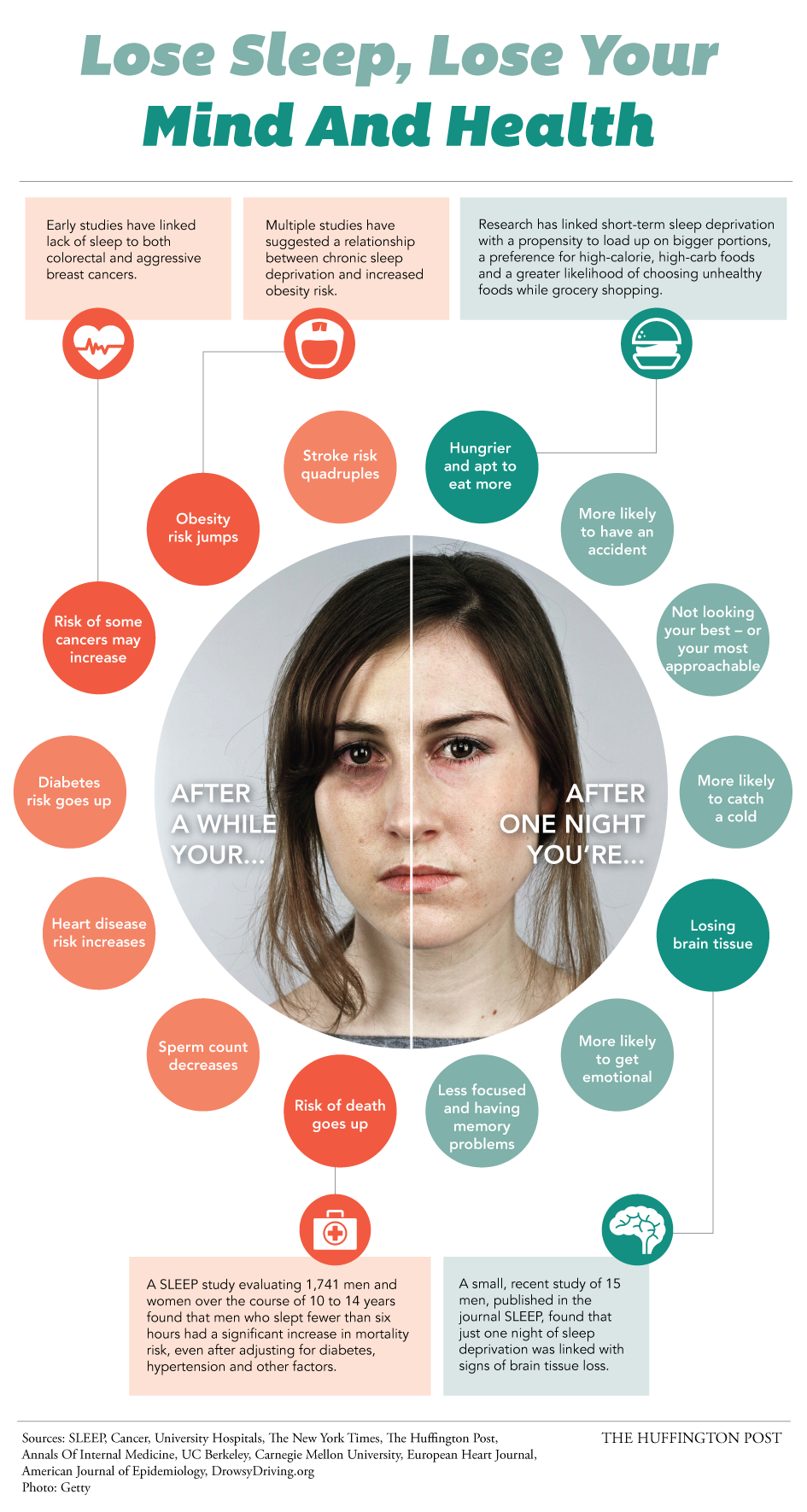
In addition to happiness, after one night of bad sleep, here is what we know happens.
- you’re hungrier and likely to eat more later
- you’re more likely to have an accident on the job
- you’re probably not looking your best or looking very approachable
- your immune system is going down you’re likely to have a cold
- you’re actually losing brain tissue
- There’s research saying that after one night of sleep, more likely to get emotional and less focused and having memory problems.
After chronic sleep deprivation, which again is defined as five hours a night and it’s sleep deprivation. So, chronic times having less than five hours or less of sleep, you are increasing your risk of death, decreasing your sperm count, increasing your risk of heart disease, increasing your risk for diabetes, increasing your risk for some cancers, increasing your risk of obesity, and quadrupling your stroke risk.
Strategies for better habits:
1.Situational support :
Finding situations that support you, that situations are affecting us in lots of ways that we don’t expect. That merely affecting the situation can change the extent to which we engage in all kinds of habits
The proximity of your goal to you is going to affect the extent to which you engage in it. Also the visibility of your goal helps too. You can fix your bad environments. Get rid of the stuff that is tempting you.
In addition and I think even more important, you can do small things to promote these healthy environments merely by having this stuff visible, these kinds of notes and reminders, these simple things sound really dumb, but they capture our attention
The point is that having others around you who are doing this stuff does two things. One is it promotes the positive habits, but also increases kindness, social connection, all this other stuff that we think matters a lot
Wansink et al. (2016). Slim by design: kitchen counter correlates of obesity. This paper tells us how environmental factors (specifically the types of food visible on the kitchen counter) influences eating habits and health – the presence of fruit on the counter was associated with lower BMI.
2.Goal setting:
About goal specificity, it’s this idea that you have some quantitative precision about your goal. Like, yes, I’m going to meditate. But how? Where? Am I going to meditate here in my house? Am I going to meditate by myself? Am I going to meditate today at 8:00 PM? How many times a week am I going to meditate? For how long? The quantitative specificity with which you define your goal, it turns out really seems to matter
So, when you have this really specific goal, it forces you to figure out how you’re going to do it. And it’s actually figuring out how you’re going to do it that seems to lead to better performance. And so, the upshot is, for whatever goals you’re thinking about, make those goals incredibly specific. Like the who, what, where, when, all those different parts, write them down, see it quantitatively, and that will help you.
3.mental contrasting
Spend the same amount of time as you do thinking about your goal and how awesome it would be to meet it, thinking about some of the obstacles that might get in your way. And this is a phenomena that researchers have referred to as mental contrasting. It’s this idea that you’re visualizing your positive future outcomes, everything, how awesome it would be once you get your goal, but you follow that up by thinking about, what might be the things that get in your way.
By contrast, if you only think about the obstacles, you dwell on how hard it is then you’re never going to get around to doing anything.
However, if you actually take the time, to again, intentionally and effort-fully do both, first indulge in how great it would be and then think about what the obstacles are. It turns out that you now have visualized both things that you need to succeed Don’t just visualize the good part, take time to do both parts. But both of these aren’t enough unless you add in the third component too, which I’m going to call goal planning.
Basically, the idea is that it’s a strategy that you have in the form of an ” if-then plan” that can help you lead to a better goal attainment. But it works in some of the same ways as mental contrasting, where you just practice it outside the situation, it turns out that our automatic systems can pay attention to that stuff. Like our automatic systems listen if you put it in with that level of specificity. And it seems to actually increase habit change in performance.
So, if I want to remember my keys, I think of some specific action I’m going to do like, when I grab the doorknob to leave, think keys. When I grab the doorknob to leave, think keys and automatically as I grab the doorknob, all of a sudden that plan pops up, and it can actually help me.
A technique that researchers have come up with that they call WOOP, which is an acronym for Wish, Outcome, Obstacles, and Plan.
- Duckworth et al. (2013). From fantasy to action: Mental contrasting with implementation intentions (MCII) improves academic performance in children. This paper tells us mental contrasting and implementation plans (via the WOOP technique) can help you achieve goals as seen in improved academic performance
- Stadler et al. (2009). Physical activity in women: Effects of a self-regulation intervention. This paper tells us self-regulation (via the WOOP technique) can help you stick to your exercise plan
[Image no longer available]
For reference, here is a quick breakdown of the rewirements:
- Signature Strengths – using your top character strengths in new ways
- Savoring – taking time to savor the things you enjoy
- Gratitude – (List and/or Letter) – expressing gratitude for the people and things in your life
- Kindness – increasing your acts of kindness
- Social Connection – making connections with strangers and acquaintances along with scheduling time for the people in your life
- Exercise – increasing your physical activity to at least 30 minutes a few times a week
- Sleep – making sure you sleep at least 7 hours a night several times a week
- Meditation – meditating for 5-10 minutes if you are a beginner or increasing your time in meditation if you already meditate regularly
1.Savoring
Savoring is the act of stepping outside of an experience to review and appreciate it. Often we fail to stay in the moment and really enjoy what we’re experiencing. Savoring intensifies and lengthens the positive emotions that come with doing something you love.Things you can do help you savor the moment
- sharing the experience with another person
- thinking about how lucky you are to enjoy such an amazing moment
- keeping a souvenir or photo of that activity
- making sure you stay in the present moment the entire time.
- Every night, make a note of what you savored
2.Gratitude
Gratitude is a positive emotional state in which one recognizes and appreciates what one has received in life. Research shows that taking time to experience gratitude can make you happier and even healthier.
You can just write a word or short phrase, but as you write these things down, take a moment to be mindful of the things you’re writing about.
3.Kindness
Research shows that happy people are motivated to do kind things for others.
4.Social Connection
Our social connections matter. Research shows that happy people spend more time with others and have a richer set of social connections than unhappy people. Studies even show that the simple act of talking to a stranger on the street can boost our mood more than we expect.
5.Exercise
Research suggests that ~30 minutes a day of exercise can boost your mood in addition to making your body healthier.This isn’t supposed to be a marathon-level of activity; it’s just to get your body moving a bit more than usual. Be sure to take a moment to notice how much better you feel after getting some exercise in.
6.Sleep
One of the reasons we’re so unhappy in our modern lives is that we’re consistently sleep deprived. Research shows that sleep can improve your mood more than we often expect.Also be sure to practice good sleep hygiene too— no devices before bed and try to avoid caffeine and alcohol on the days you’re getting your sleep.
7.Meditation
Meditation is a practice of intentionally turning your attention away from distracting thoughts toward a single point of reference (e.g., the breath, bodily sensations, compassion, a specific thought, etc.). Research shows that meditation can have a number of positive benefits, including more positive moods, increased concentration, and more feelings of social connection.